What Couples Usually Disagree on When Building a Custom Home
Custom home decisions couples disagree on: budgets, layouts, finishes, and timelines. Avoid conflict with expert strategies. Read now. Discover quick fixes today!
Building a custom home is exciting, but it also brings big choices. Even the most aligned couples can see things differently once floor plans, allowances, deadlines, and design details start piling up. At Joseph Scott Homes in Mount Pleasant, Wisconsin, we help partners turn competing ideas into a plan that works. With more than 40 years of experience building energy-efficient, high-quality homes across Racine, Kenosha, Milwaukee, Waukesha, and Walworth Counties, our team guides couples through the process so decision-making feels clear and manageable.

Why Couples Disagree During Custom Home Builds
Disagreements happen because a home is both practical and personal. One partner may focus on daily routines, while the other cares about long-term value. People also process information differently. Some need to see finishes in person, while others prefer to decide from a spreadsheet. Add a budget, a timeline, and hundreds of small choices, and tension can rise. The good news is that most conflicts are predictable and solvable with structure and support. Joseph Scott Homes uses a transparent planning process that helps couples prioritize, make informed trade-offs, and stay on the same page.
The Most Common Custom Home Decisions Couples Disagree On
Budget, Allowances, and Upgrades
Money stress is the top source of conflict. Partners may disagree on how much to spend, what to upgrade, and how to handle allowances for items like cabinets, flooring, or fixtures. One person may want premium appliances and an expanded garage, while the other would rather invest in upgraded insulation and windows. Joseph Scott Homes uses detailed allowances and clear line-item pricing so you know what is included and what an upgrade will cost. We also advise carrying a reasonable contingency to protect your timeline and your relationship.
- Decide on a total budget early and stick to it.
- Create a wish list with A, B, and C levels: must-have, nice-to-have, and future upgrade.
- Assign a dollar amount to each wish list item to expose trade-offs.
- Use a contingency fund for surprises rather than upgrades.
Size, Layout, and Room Count
Space planning often sparks strong opinions. Open concept versus more defined rooms. One large living room versus a separate den. One big office versus two smaller work areas. Some partners want more square footage for hosting, while others want a tighter footprint with higher quality finishes. Joseph Scott Homes helps couples compare layouts using real measurements and lifestyle triggers, like where backpacks land after school, how often you host, or if you expect multigenerational living in the future.
- Plan room sizes around furniture you already own or plan to buy.
- Think about daily traffic patterns, noise control, and storage.
- Consider the future: kids, guests, aging parents, or aging in place needs.
- Balance square footage with quality. Bigger is not always better.
Kitchen Priorities
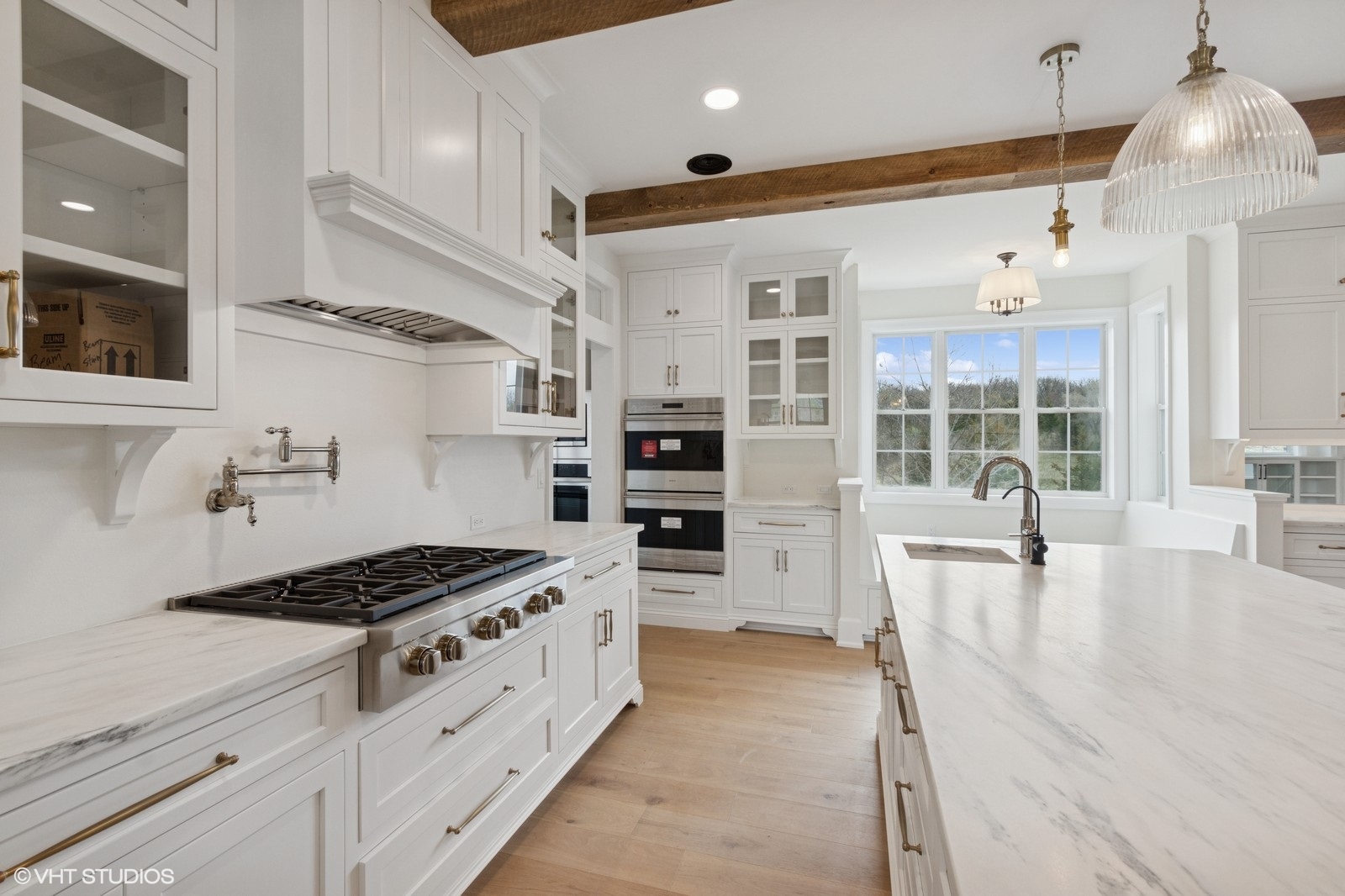
Kitchens are emotional. One partner might be the chef who wants a high BTU range and prep sink. The other may care most about a large pantry and easy cleanup. You may debate island size, appliance packages, gas versus electric, or the location of the fridge. Joseph Scott Homes partners with trusted vendors so couples can see options in person and understand how choices affect layout and cost.
- Choose function first: cooking style, storage needs, and traffic flow.
- Decide on major appliances early. They drive cabinet and electrical plans.
- Right-size the island. Allow proper aisle widths for comfort and safety.
- Confirm pantry needs, including outlets for small appliances.
Bathrooms and the Primary Suite
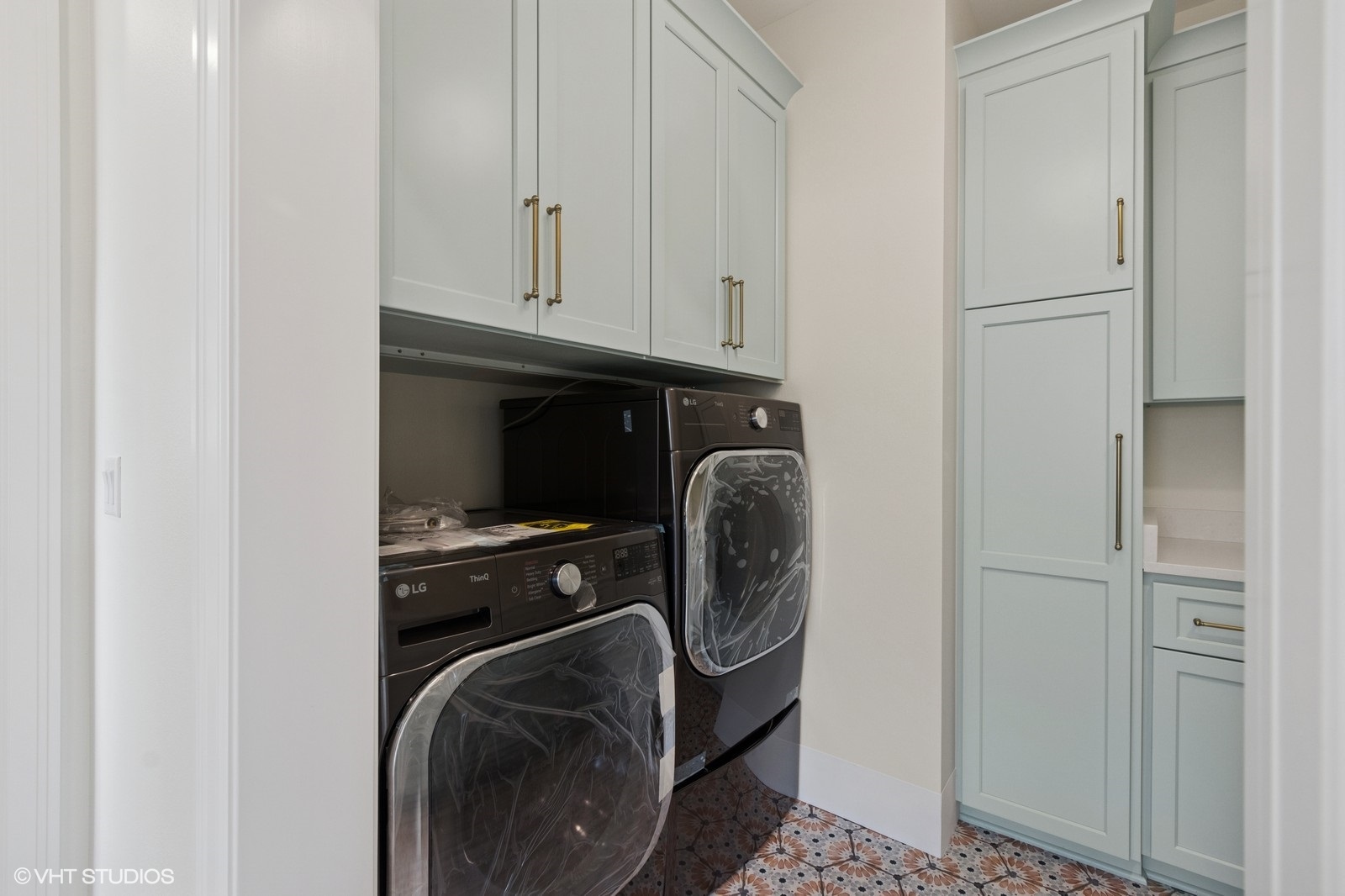
Questions multiply fast. Tub or shower only. One large vanity or two separate vanities. Linen closet in the bathroom or in the hall. Some couples also debate whether to place the laundry near the primary suite or on another level. Joseph Scott Homes designs primary suites around comfort and privacy, with careful attention to storage, lighting, and noise control.
- Prioritize shower size and storage over a large tub if space is tight.
- Plan for lighting layers and quiet exhaust fans.
- Place laundry to match your routine, then add soundproofing where needed.
- Measure personal items so drawers and cabinets fit how you live.
Style and Finishes
Modern versus traditional. Warm tones versus cool. Natural wood versus painted trim. Exterior selections, like siding, stone, and roofing, also spark debates. One partner may envision a timeless look, while the other wants to try bold trends. Joseph Scott Homes helps couples create a cohesive design palette that looks great now and ages well.
- Pick a guiding style word, like classic, coastal, or modern farmhouse.
- Choose neutral fixed elements and add personality with paint and decor.
- Build a sample kit with flooring, tile, countertops, and hardware that you can see together.
- Consider exterior durability for Wisconsin weather and long-term maintenance.
Energy Efficiency and Sustainability
Many couples agree energy efficiency matters, but disagree on how far to go. Options include upgraded insulation, high-performance windows, zoned HVAC, ERV systems, and solar readiness. These items often reduce long-term costs but can raise the up-front price. Joseph Scott Homes specializes in energy-efficient building practices and helps you compare long-term savings to initial investment so you can make a smart choice without friction.
- Prioritize the building envelope. It affects comfort and utility bills.
- Consider future-ready features like conduit for solar or EV charging.
- Ask your builder for simple payback estimates to compare options.
- Remember that quiet, comfort, and indoor air quality are part of value.
Technology and Smart Home Features
Smart thermostats, whole-home audio, security cameras, hardwired networking, and centralized control systems come with cost and complexity. One partner might want full automation, while the other prefers simplicity. Joseph Scott Homes suggests planning wiring during framing, then deciding which devices to install now versus later.
- Run extra low-voltage wiring while walls are open.
- Hardwire key devices and use wireless for non-essential features.
- Decide on a simple, secure network plan for streaming and home offices.
- Place controls where they are easy to reach and use.
Garage, Storage, and Mudroom
Garages raise practical and budget questions. Two car or three car. Extra depth for trucks and tools. Storage lofts, a workshop, or an EV charger. Inside, mudroom design is a common sticking point. Joseph Scott Homes designs storage to fit your daily life, from sports gear to pet supplies and seasonal items.
- Size the garage to your vehicles with doors and clearances measured.
- Plan a mudroom with dedicated spaces for shoes, coats, and bags.
- Add outlets, hose bibs, and floor drains where they make sense.
- Include a utility closet for vacuums and cleaning supplies.
Outdoor Living and Landscaping
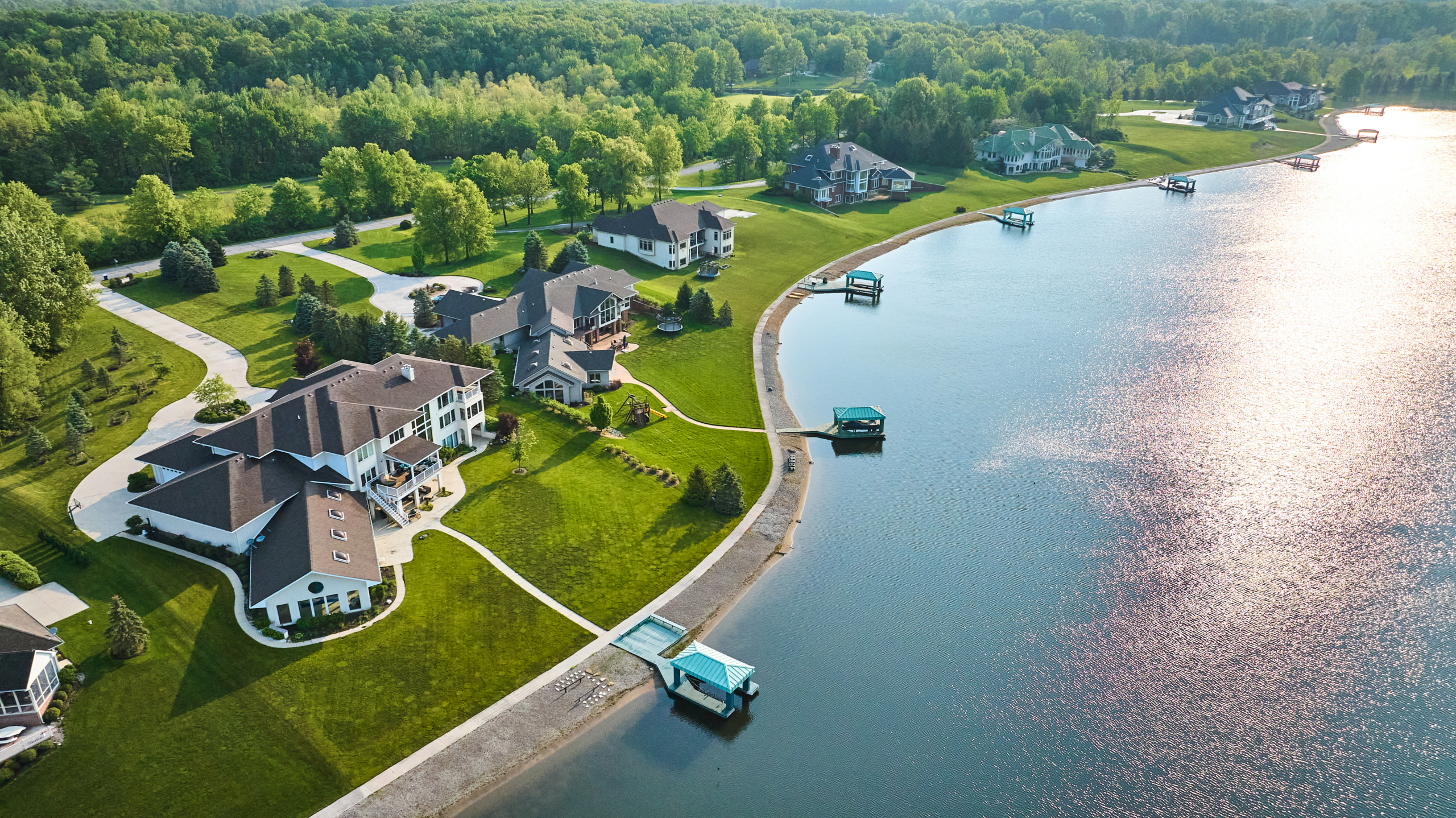
Deck or patio, covered porch or pergola, grilling station or outdoor kitchen. Couples also consider future landscaping, drainage, and irrigation. Joseph Scott Homes offers site analysis to match outdoor plans with topography, sunlight, and neighborhood guidelines.
- Choose materials that handle freeze and thaw cycles well.
- Plan for shade, wind, and privacy with simple landscaping now and upgrades later.
- Place gas, water, and electrical stubs for future features.
- Think about maintenance and long-term costs before you commit.
Timeline and Move-in Date
One partner may want to move fast while the other wants more time for design decisions. Lead times for materials, winter conditions in Wisconsin, and inspection schedules all matter. Joseph Scott Homes provides realistic timelines and regular updates so you can plan temporary housing and moving dates with less stress.
- Build extra time into your plan for weather and special orders.
- Decide decision deadlines before key milestones like framing or drywall.
- Create a short list of backup selections to keep the schedule moving.
- Ask for frequent schedule check-ins to stay aligned.
How to Prevent Conflict and Keep Decisions on Track
With the right process, most tense moments fade fast. Joseph Scott Homes uses a client-centered approach to align partners early, reduce surprises, and make complex choices easier.
Start With a Shared Vision
- List your non-negotiables separately, then combine them into one plan.
- Set a target square footage and a realistic budget before design begins.
- Create a style mood board with 10 to 15 images you both like.
- Walk through past projects or model spaces to anchor your choices.
Use a Clear Budget Framework
- Review allowances by category and confirm what level of finish you expect.
- Keep a running tally of selections so you know when to adjust.
- Hold a contingency of 5 to 10 percent for unforeseen items.
- Ask your builder for value engineering options if costs creep up.
Make Decisions in the Right Order
- Site planning and orientation come first.
- Confirm footprint, structural layout, and mechanical planning.
- Lock in windows, doors, and exterior materials.
- Decide on plumbing fixtures and electrical plans.
- Select cabinets, countertops, flooring, and tile.
- Finish with paint colors, hardware, and lighting details.
Set Rules for Decision-Making
- Assign domains. For example, one partner leads kitchen function while the other leads finishes.
- Use a tie-breaker rule. If you cannot agree in 48 hours, the option that better supports the budget or schedule wins.
- Limit last-minute changes unless both partners approve in writing.
- Use a single decisions list so nothing slips through the cracks.
Communicate With Your Builder
Open communication reduces stress. Joseph Scott Homes offers weekly check-ins, a project portal for selections and schedules, and showroom visits with trusted vendors. You always know what comes next and when choices are due. Founders James Joseph Fuchs and Michael Scott Lawrence remain actively involved, ensuring you get expert attention from concept to completion.
Quick Fixes When You Cannot Agree
- Time-box the debate. Give yourselves 24 to 48 hours, then choose the option that supports function.
- Use the same color family to blend styles. This keeps the look cohesive.
- Phase upgrades. Stub for the future and install the essentials now.
- Let data guide you. Compare maintenance, resale impact, and long-term costs.
- Visit showrooms together. Seeing and touching materials speeds agreement.
- Ask your builder for a third-party recommendation based on your goals.
How Joseph Scott Homes Supports Couples in Southeast Wisconsin
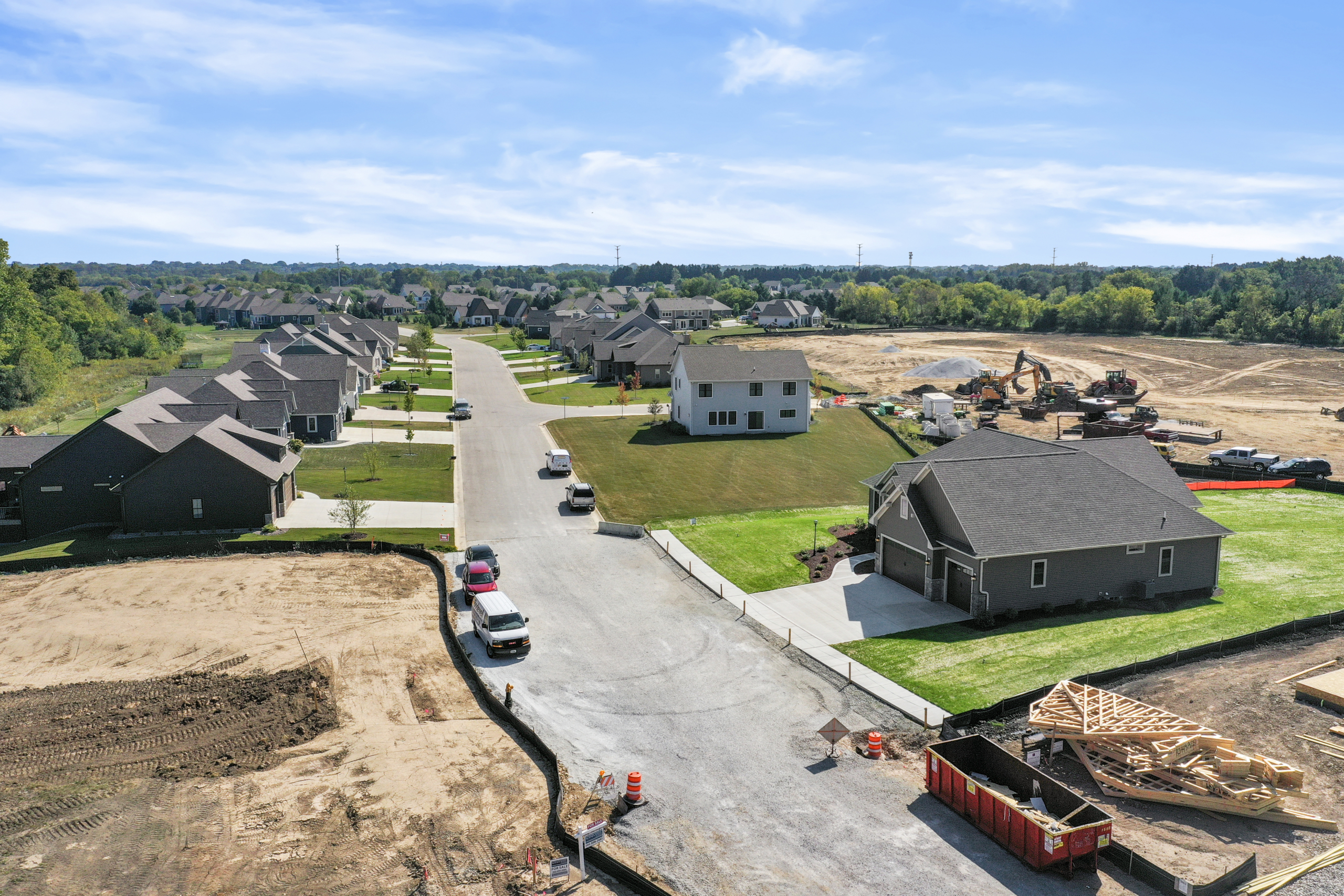
Joseph Scott Homes is a custom home builder with more than 40 years of experience serving Racine, Kenosha, Milwaukee, Waukesha, and Walworth Counties. Based in Mount Pleasant, Wisconsin, we build durable, energy-efficient homes tailored to your lifestyle. We also offer full-service real estate support, including lot locating and analysis, so you can start strong with the right property. Our transparent process and hands-on leadership help couples make confident decisions without conflict.
- Personalized design that reflects your style and daily life.
- Energy-efficient materials and building practices for comfort and savings.
- Detailed allowances and line-item pricing to protect your budget.
- Trusted local vendor partners for cabinetry, surfaces, flooring, and lighting.
- 3D design tools and plan reviews so you can see how spaces work.
- Site analysis to optimize light, views, drainage, and privacy.
- Clear scheduling with proactive communication and updates.
- Attentive service from consultation to closing and beyond.
Frequently Asked Questions About Building as a Couple
Do we need an architect before we call a builder?
Not always. Many couples benefit from contacting a builder first. Joseph Scott Homes can lead the design process or collaborate with your architect. Starting with our team helps align budget, structural feasibility, and energy goals early, which reduces redesign and stress.
How long does a custom home take in Racine, Kenosha, Milwaukee, Waukesha, or Walworth Counties?
Timelines vary by size, complexity, and season. A typical custom home may take 9 to 14 months from permit to completion. Selections made early, clear decisions, and reliable vendors help keep things on schedule. Joseph Scott Homes provides realistic timelines at the start and updates you as the project moves forward.
What is the best way to balance resale value with personal taste?
Focus on quality basics that buyers notice, like the building envelope, windows, kitchen layout, and primary bath. Keep fixed elements like flooring and tile timeless, then express personality through paint, lighting, and decor. Joseph Scott Homes can help you choose finishes that feel personal today and marketable tomorrow.
Can we change our minds during construction?
Yes, but changes can affect cost and schedule. Use change orders for clarity. If you are unsure about a choice, talk to your builder early so the team can plan ahead. Joseph Scott Homes offers selection milestones and reminders so changes are rare and manageable.
Build Together With Confidence
Most disagreements are normal. With a clear plan and a supportive team, couples can move from conflict to clarity and enjoy the process. If you want expert guidance on the custom home decisions couples disagree on, Joseph Scott Homes is ready to help. From lot locating and analysis to energy-smart construction and curated finish selections, we make building feel straightforward and personal. Contact Joseph Scott Homes in Mount Pleasant to schedule a consultation. Let us help you design and build a home you both love, in the community you want to call home.