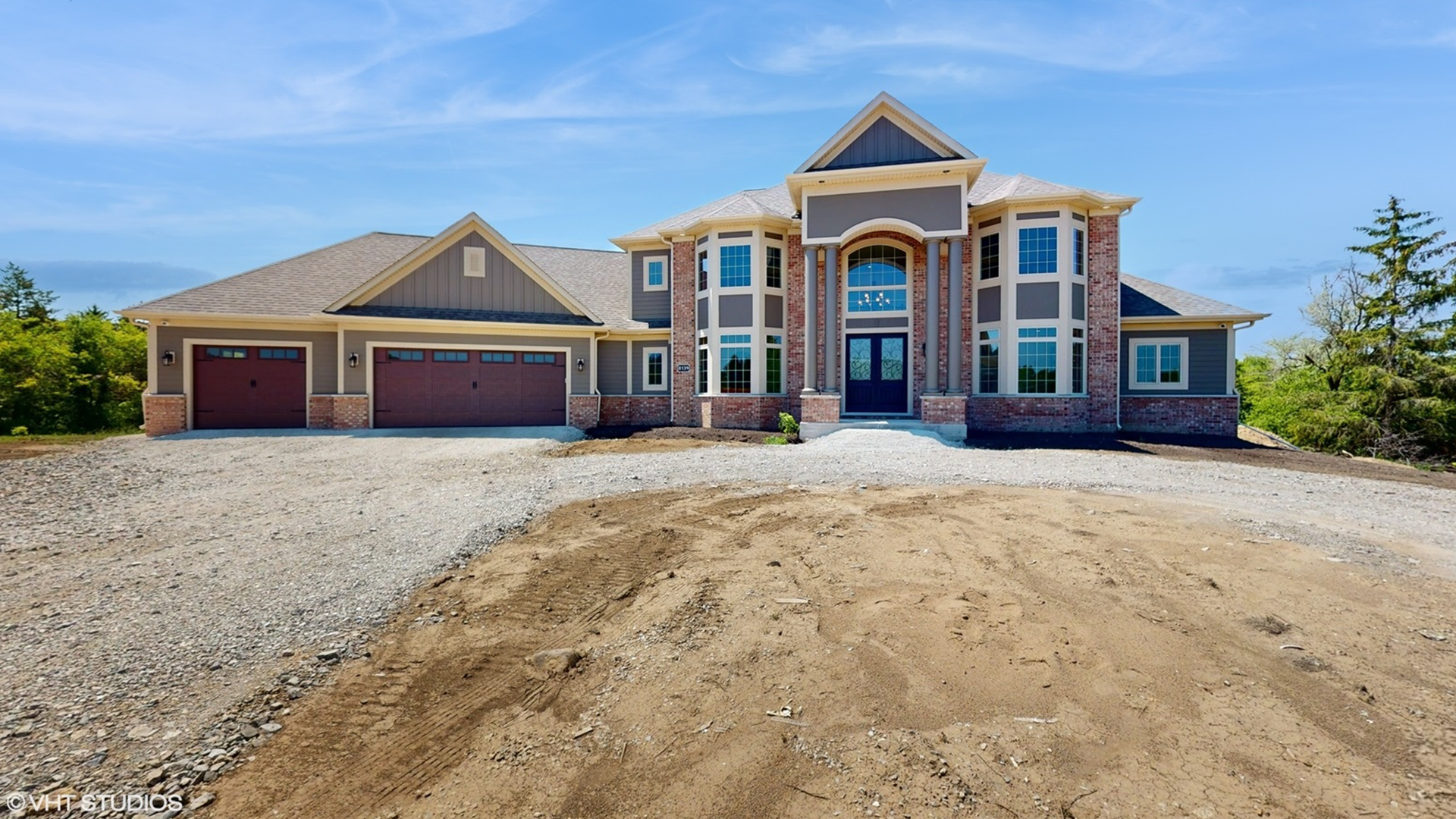
Things People Forget to Budget for When Building a House
Hidden costs building a house can derail your budget, but you can avoid them with a clear plan. This guide breaks down the most overlooked expenses, from permits to landscaping, so you can build with confidence and enjoy move-in day without surprises. Joseph Scott Homes brings more than 40 years of custom building experience across Racine, Kenosha, Milwaukee, Waukesha, and Walworth Counties, and we are sharing what we have learned from thousands of decisions that shape a successful build.
Why Hidden Costs Happen
Building a home is a complex project with many moving parts. Even with a detailed plan, site conditions, local rules, material changes, and design decisions can add costs. Many owners focus on square footage and finishes but forget what happens under the soil, outside the walls, and after closing. Understanding these categories will help you budget smarter and reduce stress. At Joseph Scott Homes, we believe clear upfront planning is the best way to protect your investment.
Common Hidden Costs Building a House
Permits, Fees, and Professional Services
Even simple projects need approvals and expert guidance. Budgets often cover the main building permit but miss smaller fees that add up.
- Building permit, plan review, and inspection fees that vary by municipality
- Impact or connection fees for utilities or parks
- Stormwater and erosion control permits, especially in areas with strict runoff rules
- Architectural review fees for subdivisions with design standards
- Surveying for boundary stakes, topography, and final as-built documentation
- Soil testing and engineered foundation designs
- Energy code compliance paperwork and blower door testing
- Septic design and county approvals if you are not on municipal sewer
Site and Foundation Surprises
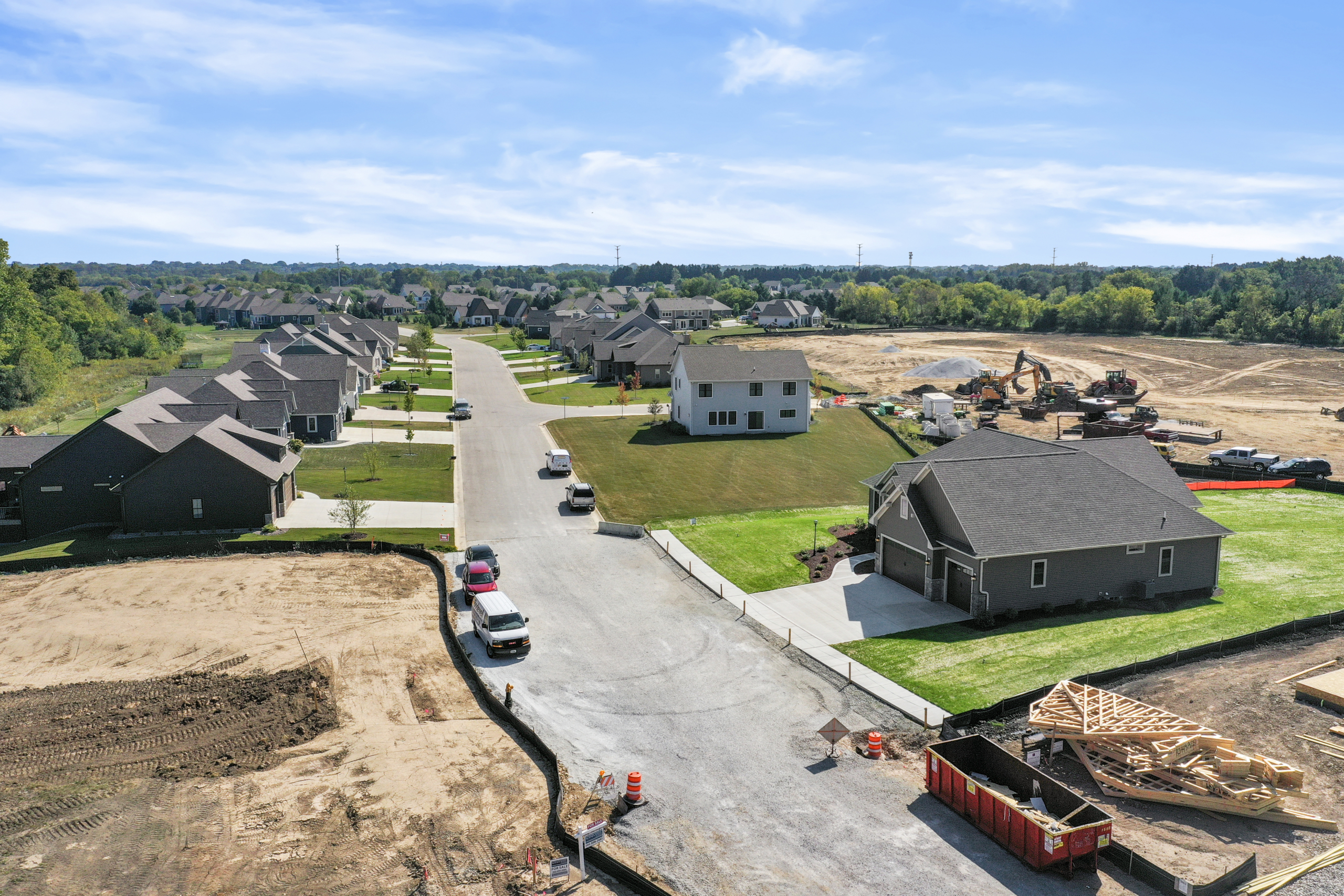
What you cannot see under the surface is a major driver of hidden costs building a house. Southeast Wisconsin soils can change within a few feet, and weather can affect excavation and concrete work.
- Tree removal, stump grinding, and hauling timber or brush
- Demolition of an old structure, including asbestos testing and disposal
- Rock excavation or hardpan clay that needs special equipment
- Importing or exporting soil to achieve proper grade and drainage
- Over-excavation and stone base for unstable soils
- Dewatering and sump pumping during wet seasons
- Frost-depth footings and cold weather concrete protection in winter
- Foundation waterproofing, drain tile, and sump pit enhancements
- Radon mitigation systems, which are common in basement homes
- Retaining walls, swales, and erosion control mats to stabilize grades
Utilities and Infrastructure
Connecting your home to modern services can be more involved than expected. Distances from the street, utility company policies, and lot conditions affect costs.
- Trenching for water, sewer, electric, gas, and communications
- Utility company line extension or transformer fees
- Well drilling, pump, pressure tank, and water testing if you are on a private well
- Septic tank and drain field plus future replacement area
- Driveway culvert, apron, and public right-of-way restoration
- Temporary power for construction and meter set fees
- Rural broadband solutions like conduit runs for future service
Design Changes and Allowances
Design changes are the most common hidden costs building a house because they seem small in the moment but ripple through labor and materials. Allowances help you choose finishes during construction, but if the allowance is low, upgrades can push the budget.
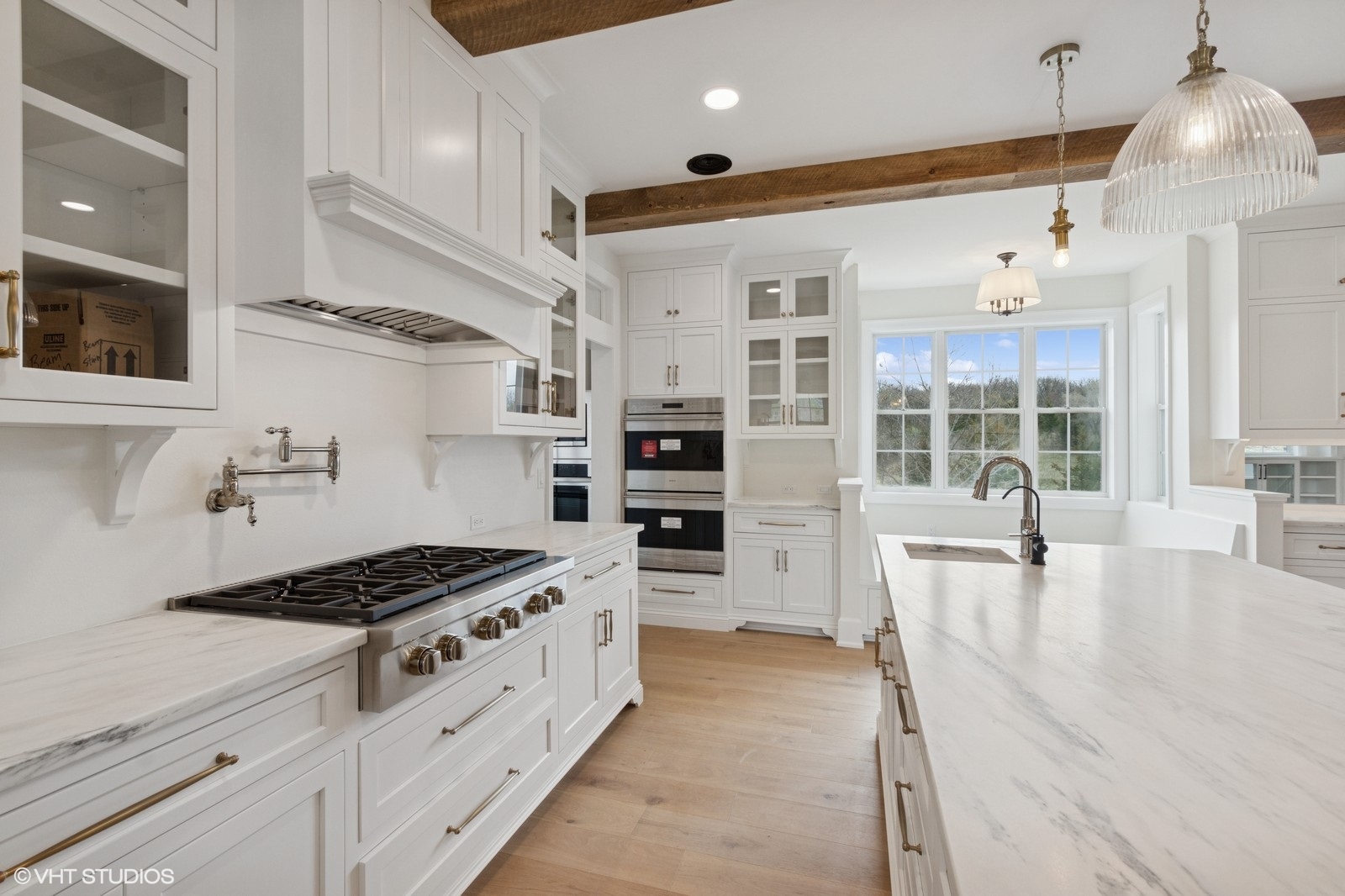
- Cabinetry upgrades for inset doors, organizers, and taller uppers
- Countertops moving from standard quartz to premium selections
- Tile layouts, niches, heated floors, and accent walls
- Flooring changes, wider planks, or upgraded carpet padding
- Lighting packages, additional can lights, undercabinet lighting, and dimmers
- Plumbing fixtures in premium finishes and added hose bibs or floor drains
- Stair details like open risers, iron balusters, and custom railings
- Built-ins, mudroom lockers, and fireplace built-out features
Structural and Energy Efficiency Upgrades
Strong, efficient homes cost less to operate and feel better to live in. The right upgrades add comfort and value, but they need to be budgeted early.
- Engineered beams for wide open rooms and large window walls
- Roof truss enhancements for snow loads and long spans
- Thicker subfloors and sound-damping between levels
- High performance windows with better glass and frames
- Continuous exterior insulation and air sealing enhancements
- Upgraded HVAC, variable speed systems, and ERV ventilation
- Spray foam or dense pack insulation in specific areas
- Smart thermostats and zoned controls
- Solar ready conduit and panel space for future panels
- EV charger circuit and garage subpanel
Joseph Scott Homes builds energy efficient homes as a standard practice, using sustainable materials and proven building science to reduce long term operating costs.
Living and Financing Costs During Construction
While the home is being built, life goes on. Some of the most surprising budget hits are outside the construction contract.
- Temporary housing if you sell before closing on the new home
- Storage unit fees for furniture and seasonal items
- Moving costs and a second move if you have a stopgap rental
- Construction loan interest during the draw schedule
- Loan origination, appraisal, title updates, and draw inspection fees
- Rate lock extensions if the schedule shifts
- Homeowner training time and days off work for key walk-throughs
Insurance, Taxes, and Legal Items
Ownership brings responsibility. Some costs start before you move in.
- Course of construction or builder’s risk insurance depending on your lender
- General liability coverage for the property if required
- Property taxes on the lot and on partial improvements
- Attorney review for contracts or land purchases
- Homeowners association initiation fees and compliance deposits
- Architectural review submissions and resubmissions for design changes
Exterior and Landscaping Costs
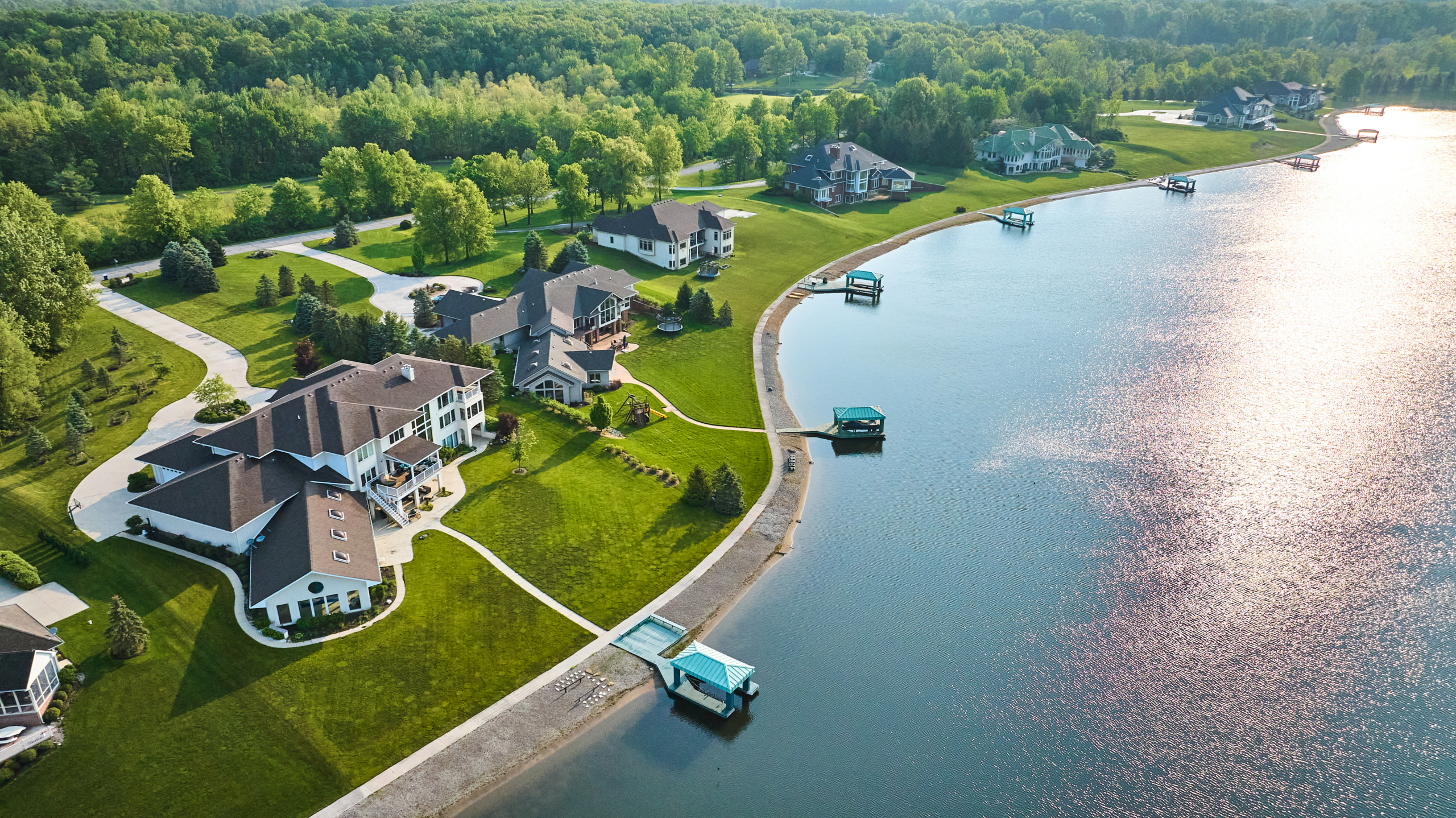
Beautiful curb appeal is not just the house itself. Site shaping and green space bring the property together, but costs vary by lot size and soil.
- Final grading, topsoil, and soil amendments
- Seed, hydroseed, or sod with irrigation planning
- Trees, shrubs, edging, and mulch beds
- Fencing for pets, privacy, or pool code compliance
- Decks, patios, and walkways beyond the standard stoop
- Concrete or asphalt driveway upgrades and sealing
- Gutters, downspouts, and extensions that move water away from the foundation
- Dry wells or French drains to protect low areas
- Mailbox, house numbers, and exterior lighting upgrades
Interior Finishing and Move-In Essentials
Many builders focus on the structure and main finishes. Families quickly realize they need a list of daily living items to make the home functional from day one.
- Window treatments for privacy and sun control
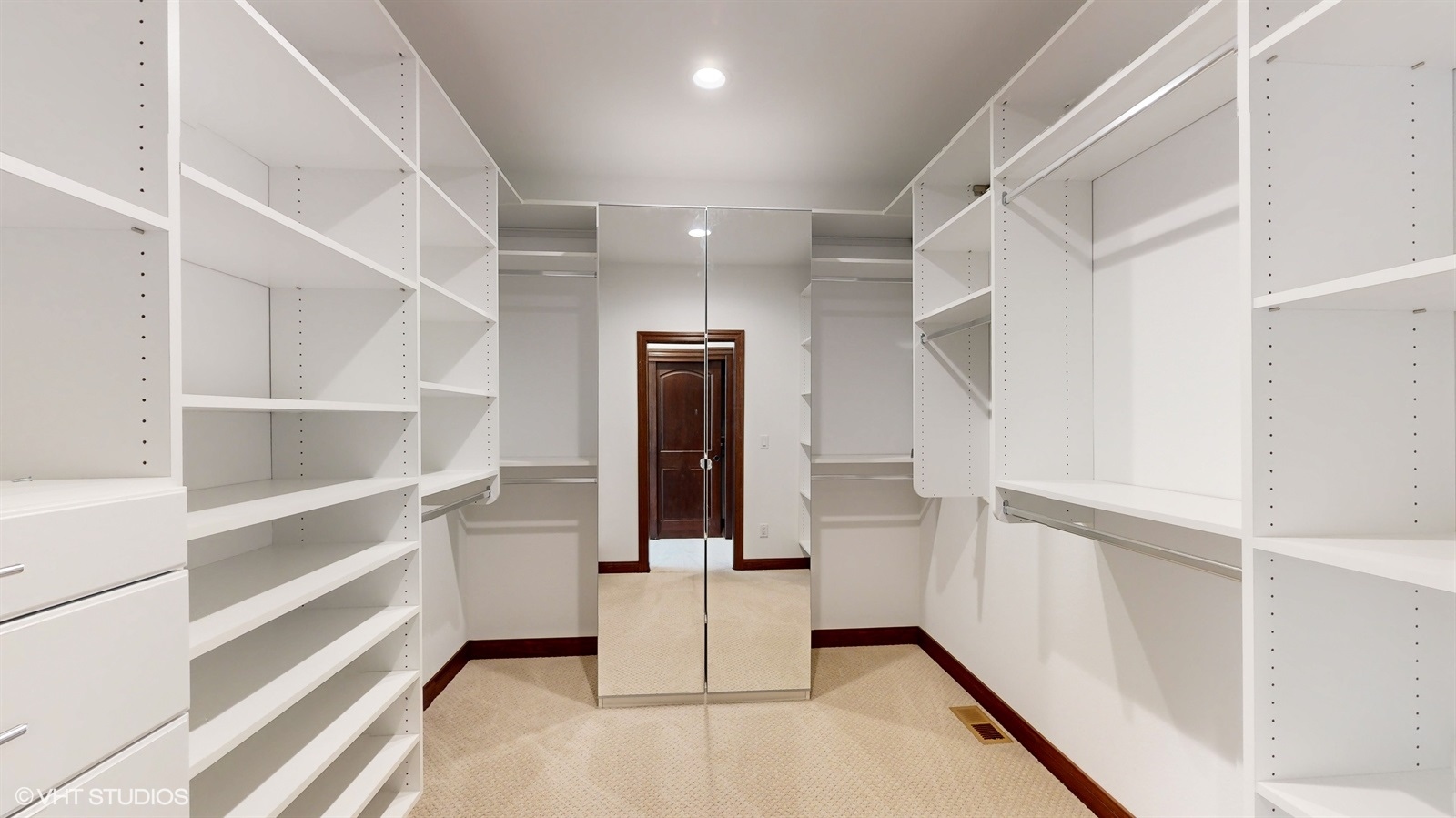
- Closet systems with drawers, double rods, and shelves
- Shower doors for secondary bathrooms
- Mirrors, towel bars, and paper holders
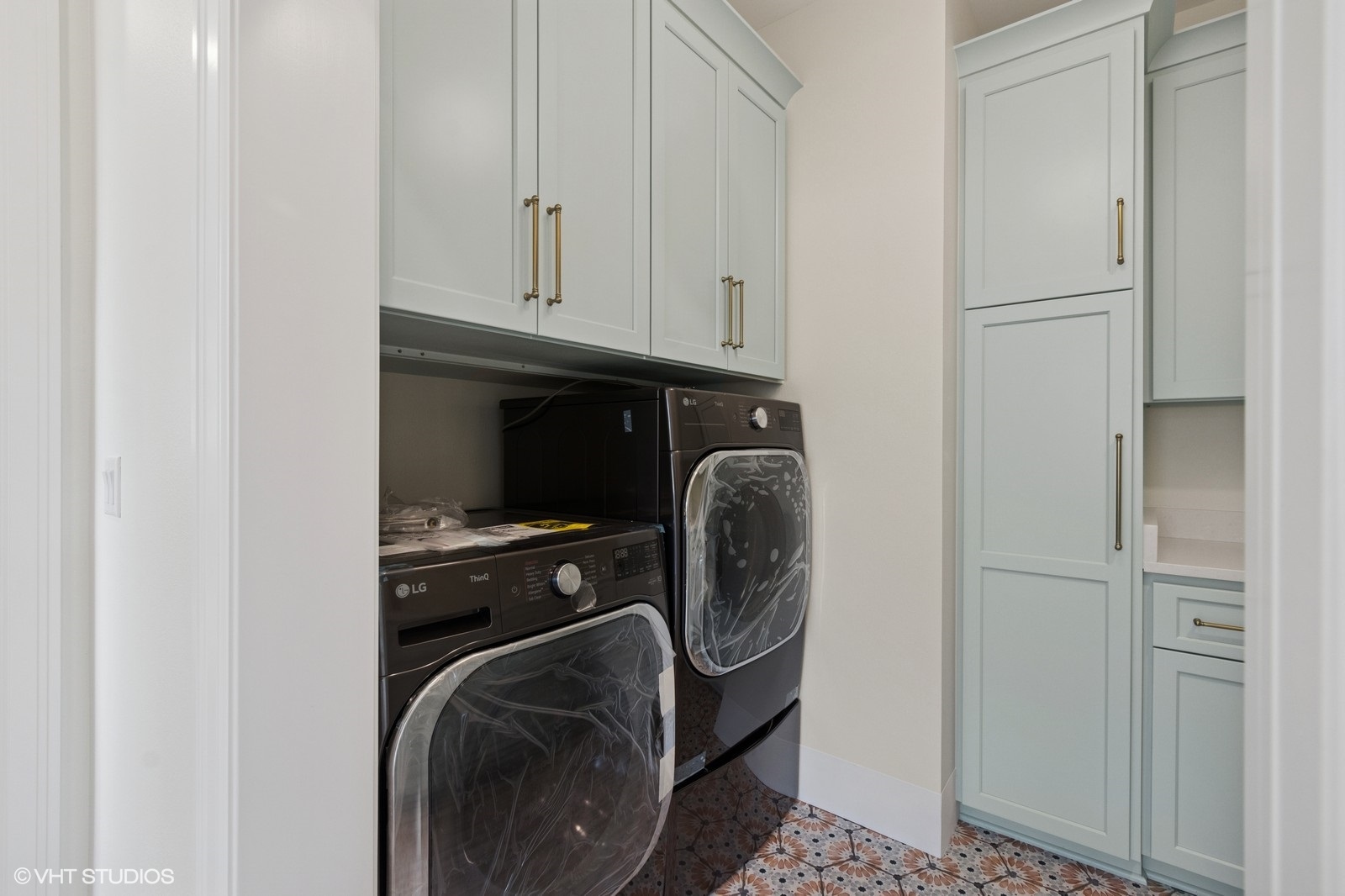
- Refrigerator, washer, and dryer if not included
- Water softener and whole house filtration if your area needs it
- Garage door openers, keypads, and extra remotes
- Pantry shelving upgrades and garage storage
- Interior paint touch up after move-in dings
Technology and Safety
Homes run on data as much as power. Planning low voltage early avoids costly rework and keeps Wi-Fi strong where you need it.
- Ethernet to offices, TVs, and game rooms for reliable streaming
- Ceiling access points for whole home Wi-Fi coverage
- Speaker and subwoofer prewires for media rooms and outdoor zones
- Security system, cameras, and doorbell wiring
- Smart locks, occupancy sensors, and garage-to-house connectivity
- Surge protection and whole home power monitoring
Weather, Scheduling, and Clean-Up Costs
Wisconsin seasons are beautiful and sometimes tough on build schedules. Preparing for conditions helps keep the project on track.
- Temporary heat and enclosures for winter work
- Snow plowing and site access maintenance
- Mud control, stone tracking pads, and street cleaning
- Additional dumpsters for packaging and pallet removal
- Portable toilet service for longer projects
- Final construction clean and window washing before move-in
Contingency Planning: How Much Should You Set Aside
A contingency protects you from the unknowns. For most custom homes, plan at least 10 to 15 percent of the construction budget for contingencies. Complex lots, winter starts, or significant design upgrades may need 15 to 20 percent. Break your contingency into categories so you can track where it goes. For example, set portions for site conditions, design upgrades, and market price changes. Joseph Scott Homes uses detailed estimating and vendor commitments to reduce surprises, but we still recommend a sensible contingency because it gives you choice and peace of mind.
How Joseph Scott Homes Helps You Avoid Surprises
Joseph Scott Homes was founded by James Joseph Fuchs and Michael Scott Lawrence. After more than four decades, they remain hands-on with every project. Our process focuses on transparent budgets, energy efficient design, and clear communication so your home performs as beautifully as it looks.
- Lot locating and analysis to catch site issues early
- Detailed specifications and finish schedules that match your vision
- Preconstruction walks with key trades to confirm scopes and access
- Realistic allowances based on current pricing from trusted vendors
- Energy modeling and building science guidance to balance comfort and cost
- Weekly updates and milestone walk-throughs so you always know what is next
- Partnerships with long term subcontractors who stand behind their work
We build across Racine, Kenosha, Milwaukee, Waukesha, and Walworth Counties, with a central office in Mount Pleasant. Our team brings local code knowledge and strong vendor relationships that help control budget and schedule. When hidden costs building a house threaten to creep in, our proactive planning helps keep your goals front and center.
Questions to Ask Your Builder Before You Sign
Use these questions to make sure your budget reflects the real scope of your project.
- What permits and fees are excluded from the base price, and what are typical amounts in my municipality
- How will you handle soil surprises, and what unit costs will apply if we hit rock or water
- Which utility connection fees are my responsibility versus the utility company’s responsibility
- What allowances are included, and are they based on current quotes from your vendors
- What is your process for change orders and how do you track budget impacts
- How do you plan for cold weather, rain days, and winter conditions
- What energy upgrades do you recommend for long term savings
- What technology prewires should I plan before drywall
- How do you communicate schedule updates and selections deadlines
- What is covered after closing and how does your warranty process work
Sample Checklist of Often Overlooked Items
Use this quick list during planning to avoid last minute add-ons.
- Erosion control, silt fence, and restoration
- Radon system rough-in and fan if needed
- Additional hose bibs and power outlets outdoors
- Laundry sink, cabinets, and countertop
- Garage insulation and heating for workshops
- Basement bathroom rough-in and future wet bar plumbing
- Cold storage room or storm shelter planning
- Conduit for future landscape lighting and gate controls
- Soft close hardware and roll-out shelves in the kitchen
- Door stops, closet lights, and attic lighting
- Battery backups or water alarm for sump pump
- Whole home surge protector and generator hookup
- Drop zone charging shelf and USB outlets
- Exterior spigots with hot and cold mixing for pets or car washing
- House number visibility and standard mailbox height for local code
Budget Tips That Make a Real Difference
Small planning moves can save thousands and reduce stress.
- Lock core design early to avoid structural revisions after engineering
- Schedule a selections day with your builder’s vendors to price real choices
- Bundle upgrades that affect the same trade to reduce return trips
- Ask for good, better, best pricing to compare value, not just cost
- Prioritize energy upgrades that reduce monthly expenses
- Track your allowance balances after every selection
- Reserve part of your contingency for move-in items like blinds and closet systems
Local Insights for Southeast Wisconsin
Building in our region brings a few special considerations. Winters can be long, and soils vary from sandy near the lake to heavy clay inland. Many municipalities in Racine, Kenosha, Milwaukee, Waukesha, and Walworth Counties require strict erosion control and stormwater plans. Basements are common and deliver great value, but they require careful water management. A well detailed drain tile system, reliable sump, and radon rough-in are smart investments. Planning concrete work around freeze and thaw cycles reduces cracking and surface spalling. Joseph Scott Homes accounts for these local factors during estimating and scheduling so your budget reflects real-world conditions.
Final Thoughts and Next Steps
Hidden costs building a house do not have to be a source of anxiety. When you understand where surprises come from and plan for them upfront, you take control of your project and protect your investment. Joseph Scott Homes blends craftsmanship, efficiency, and personalized service to help you make informed decisions at every step. From the first lot walk to final clean, our team is focused on your goals and your budget. Ready to build smarter in Southeast Wisconsin Contact Joseph Scott Homes to schedule a consultation, review your site, and create a clear, complete budget that brings your vision to life with confidence.