Lake House Plans Lake Geneva: The Smart Way to Fit More on Less
Designing a lake home on a slim lot can feel like a puzzle, especially when you want a three-car garage. The good news is that it is possible with the right plan, the right builder, and a clear understanding of site rules around the lake. If you are exploring lake house plans Lake Geneva and wondering if a 3-car garage can actually fit, this guide will show you how it works in real life. At Joseph Scott Homes, we combine careful planning, custom design, and energy-smart construction to make the most of every inch on a narrow lakefront site.
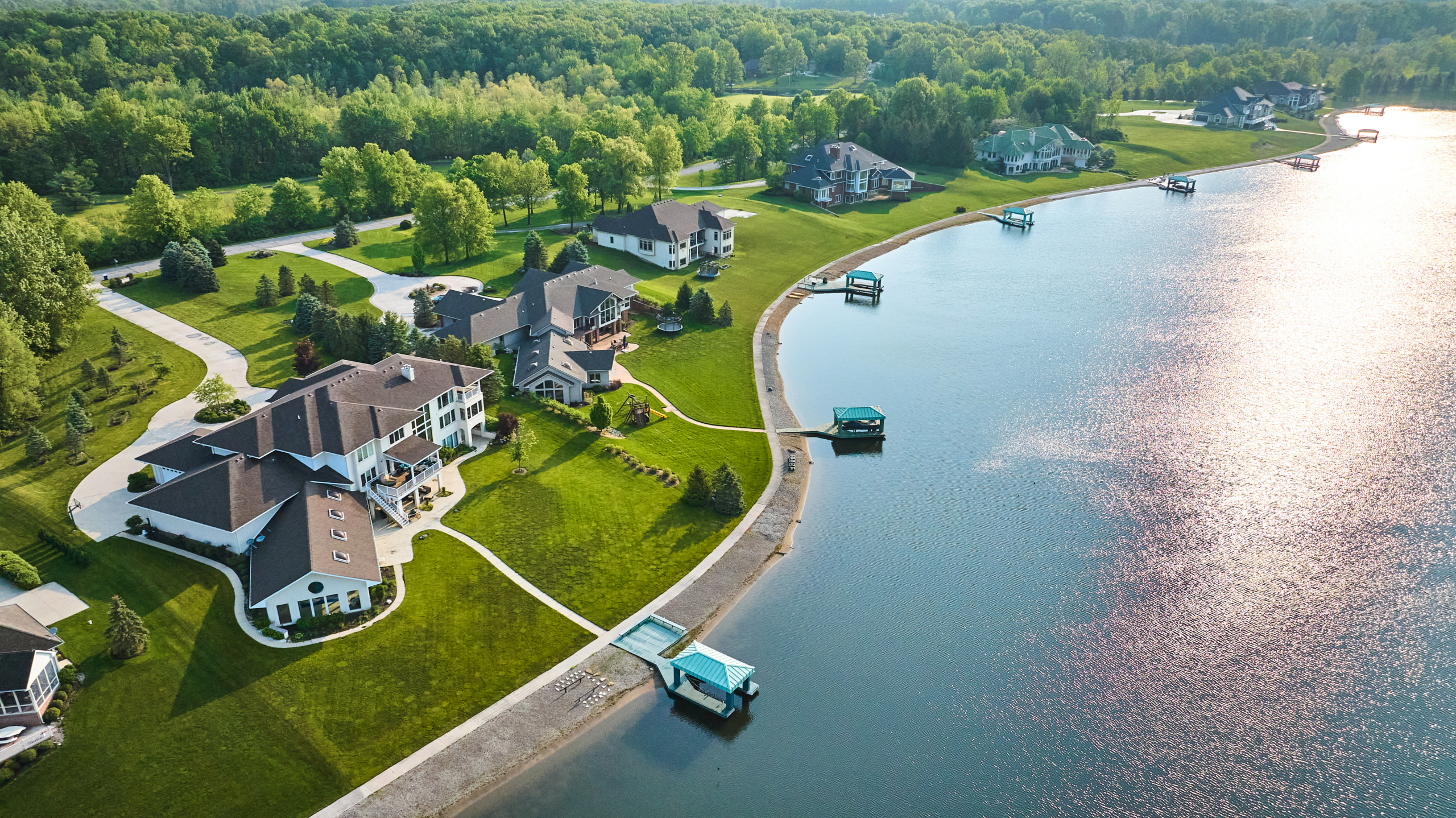
Why Lakefront Lots Are Often Narrow Around Lake Geneva
Lakefront neighborhoods in and around Lake Geneva are a mix of historic cottages, classic estates, and new custom builds. Many parcels were platted decades ago when smaller cottages dominated. That means many buildable lots are long and narrow. Local shoreland rules and neighborhood covenants also protect water quality, view corridors, and tree cover. These standards help keep the lake beautiful, but they also reduce the buildable footprint.
Common site limits you may encounter include side-yard setbacks that shrink the width of your home, front and rear setbacks that determine how deep the house can be, lot coverage caps that limit roofs and pavements, and driveway placement rules. Even with these boundaries, smart design can often place a 3-car garage on a narrow lot while keeping your lake views and daily function intact.
Short Answer: Yes, a 3-Car Garage Can Fit on a Narrow Lakefront Lot
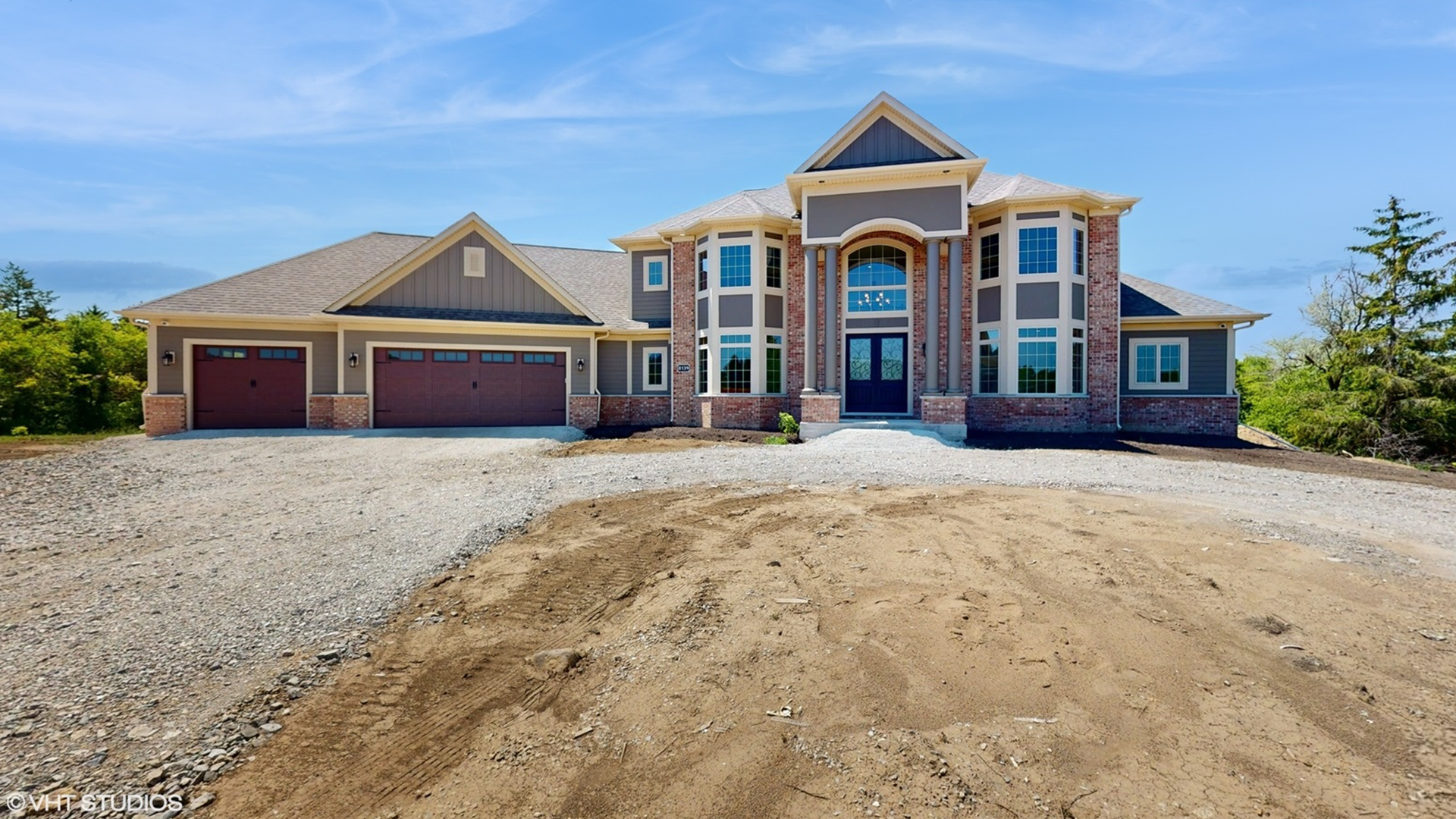
In our experience at Joseph Scott Homes, the key is creative configuration. You do not need three standard side-by-side doors to achieve the parking and storage you want. By stacking, tucking under, or angling the garage, you can stay within the buildable envelope and keep the home feeling open to the water. Below are proven strategies we use in lake house plans Lake Geneva to gain space without sacrificing style.
Strategy 1: Tandem or Stacked Parking
A tandem bay places one car behind another. On a narrow lot, two standard-width doors face the street, while the third space is tucked behind one of those bays. You still get three indoor spots, yet the garage only needs the width of a typical two-car. For owners who keep a weekend car, golf cart, or seasonal convertible, tandem works well because daily drivers do not need to shuffle as often.
Strategy 2: Split-Level or Tuck-Under Garage
On sloped sites common around Lake Geneva, a lower-level garage under part of the home can free up the main floor for lake views. This design places one or two stalls at grade and the third stall a half level down, all within the footprint of the house. The result is more room for windows and decks above, with the cars quietly tucked into the hill. Joseph Scott Homes often pairs this approach with heated floors in the lower level for comfort, plus smart drainage to keep everything dry.
Strategy 3: Angled or Offset Doors
When the driveway approach is tight, angling the garage face can help. A shallow V-shape or a slight offset makes turning easier and may let the garage edge clear setback lines. It also allows creative rooflines and architectural detail that feel more like a lake cottage than a simple box.
Strategy 4: Lift-Enabled Bay
If vertical clearance allows, a car lift doubles one bay. With about 11 to 12 feet of interior height, one stall can stack two vehicles. Many clients use a lift for a summer car stored above a daily driver. Lifts are also useful for maintenance and detailing. We design the slab, framing, and power supply to support a safe system, and we plan for a quiet, insulated garage ceiling under living spaces.
Strategy 5: Breezeway-Connected or Courtyard Garage
Detaching the garage a few feet and connecting it with a breezeway can solve width issues while improving light and airflow in the main house. A small motor court between the house and garage also creates a protected drop-off, perfect for guests. This setup often reduces perceived mass from the street and helps meet lot coverage or height rules.
Strategy 6: Pass-Through Bay to the Backyard
A single stall with doors on both ends creates flexible access to the rear yard for utility carts, trailers, or maintenance. On tight lakefront sites with limited side access, a pass-through stall can avoid congestion in the front drive and keeps service items out of view.
Strategy 7: Side-Load Garage With Turn Pad
Where street frontage is limited, a side-load garage hides doors from the road and protects the facade. A compact turn pad or motor court makes backing in and out easy. We right-size the radius so day-to-day driving feels natural, even in winter conditions.
Strategy 8: Multi-Use Third Bay for Lake Gear
Not everyone needs three daily parking spots. The third stall can be shorter and dedicated to lake gear, bikes, paddleboards, and a workshop. This keeps the home tidy and avoids a separate storage shed that might exceed lot coverage or block views.
Local Rules That Shape Your Garage Options
Building near a shoreline involves extra care. In the Lake Geneva area, ordinances protect water quality, manage stormwater, and maintain the character of lakefront streets. Every municipality is unique, and county and state rules may also apply. The following items often shape garage design. The Joseph Scott Homes team works through each of these during planning so there are no surprises.
Typical Constraints to Confirm Before You Design
- Setbacks on all sides that define the buildable box
- Lot coverage and impervious surface caps for roofs and pavements
- Height limits and how height is measured on sloped sites
- Driveway width, slope, and material requirements
- Stormwater rules, including where to direct runoff and how to filter it
- Tree preservation and shoreline buffer requirements
- Floodplain and base elevation if the lot lies within a mapped area
- Design guidelines or architectural review in certain neighborhoods
We coordinate with surveyors, zoning staff, and civil engineers to confirm your buildable envelope. Our team then develops early concept sketches that place the garage within that envelope while keeping your best lake views and outdoor spaces in front of mind.
Working With the Shoreline, Not Against It
Waterfront homes must handle water well. That includes roof runoff, snow melt, and waves during storms. We favor low-impact solutions like permeable pavers for aprons and walkways, rain gardens that capture runoff, and discreet underground storage where allowed. Good drainage protects your garage, the home, and the lake itself. It also keeps winter ice at bay on driveways and walks.
Driveway and Site Planning Checklist for Narrow Lots
Even a well-placed garage will feel awkward if the driveway is not right. Here is a simple checklist we use when shaping lake house plans Lake Geneva for narrow sites.
- Verify the turning radius for your largest vehicle and boat trailer.
- Set driveway slope to feel safe in winter and plan for snow storage areas.
- Right-size garage doors so they match your vehicles and add curb appeal.
- Place exterior lighting to reduce glare on the water and limit light spill.
- Use permeable or textured paving near the lake to improve traction and drainage.
- Screen mechanicals and trash storage without blocking sight lines.
- Preserve mature trees where possible and protect roots during construction.
- Coordinate mailbox and address visibility with a side-load or angled approach.
Two Real-World Layouts That Work
The following examples show how a three-car solution can fit gracefully on a narrow lot. These layouts are illustrative and based on common site conditions we see around Lake Geneva. Your exact design will be tailored to your survey and zoning.
Example 1: Flat 55-Foot Lakefront Lot With Side-Load Tandem
Challenge: A slim lot with tight side setbacks and a desire to keep the living room and kitchen open to the water. Parking for three cars and room for lake gear.
Solution: A side-load garage faces a short motor court that doubles as guest parking. Two doors face the motor court, and a tandem bay extends behind one stall. The tandem includes built-in racks for paddles and skis. The garage aligns with the home to one side, keeping the other side open for light and a walkway to the lake. A covered breezeway links the mudroom to the garage, which helps break up the massing from the street. Permeable pavers in the court and a rain garden at the low corner manage runoff. The main living areas stretch toward the water with large windows, while bedrooms sit above the garage with sound insulation and a thermal break in the floor system.
Example 2: Steep 60-Foot Lot With Tuck-Under and Lift
Challenge: Grade drops from the road to the water, and the owners want a three-car solution without blocking views.
Solution: We tuck a two-stall garage under the main level and carve a third bay a half level down with a lift to stack a collectible car above a daily driver. The main entry bridge crosses to a foyer that opens straight to the lake view. The garage ceiling is insulated and sealed for comfort, and a dedicated dehumidifier keeps humidity stable. Because of the slope, snow melt and rain are captured in trench drains and directed to a subsurface system designed by our civil partner. Landscaping uses native plantings to stabilize the slope and soften walls. The result is a quiet, warm lower garage that gives the main floor the full width for windows and a deck.
Budget and Value Considerations
Costs vary by site and finish level, but you can expect the following general truths when planning a 3-car solution on a narrow lot.
- Tandem bays are often the most budget-friendly way to gain a third stall.
- Detaching the garage and adding a breezeway can cost more than an attached plan but may improve light, curb appeal, and buildability.
- Lifts reduce the building footprint but add equipment costs and require taller walls and reinforced framing.
- Tuck-under garages can offset lift costs, yet they require careful waterproofing, insulation, and ventilation.
- Permeable pavers and stormwater measures add up-front cost but can help meet approvals and protect the lake and your driveway long term.
Joseph Scott Homes works within your target investment by showing side-by-side options early. We share realistic allowances for doors, finishes, and mechanicals so you can make decisions with confidence.
Energy Efficiency and Comfort Above the Garage
A quiet, comfortable bedroom over a garage takes more than standard construction. Our team uses continuous insulation, air sealing at every penetration, and garage door selections that reduce noise and drafts. We often add a dedicated mini-split for the garage to control temperature and humidity without mixing garage air with the home. This matters year-round because it protects your vehicles and gear while improving the comfort of rooms above. As a builder known for energy-smart practices, Joseph Scott Homes applies these techniques on every project to deliver lasting value.
How Joseph Scott Homes Guides You From Lot to Keys
With more than 40 years of local experience, Joseph Scott Homes brings a full-service approach to custom lake homes. Based in Mount Pleasant and serving Racine, Kenosha, Milwaukee, Waukesha, and Walworth Counties, our team is hands-on from the first site walk to move-in day. Founders James Joseph Fuchs and Michael Scott Lawrence remain actively involved so every detail reflects your vision.
- Lot locating and analysis: We help you evaluate sites, check setbacks, and review surveys before you buy.
- Concept design: We sketch multiple garage configurations that fit your lot and lifestyle, then refine the best path.
- Budget alignment: We build a transparent budget early and maintain open communication as selections evolve.
- Approvals: We coordinate with municipalities, associations, and shoreline authorities for smooth permitting.
- Construction: We manage trusted vendors and subcontractors known for quality and reliability.
- Closeout and care: We walk you through systems, warranties, and maintenance so your home performs for years.
Throughout the process, you can expect clear updates, easy access to your project team, and solutions that put your needs first. That client-centered approach is why Joseph Scott Homes stands out in a competitive market.
FAQs About Three-Car Garages on Narrow Lakefront Lots
Will a 3-car garage block my lake view?
Not if we plan it correctly. Side-load and tuck-under designs protect view corridors. Strategic window placement, rooflines, and grading keep sight lines open from the main living spaces.
Is tandem parking annoying day to day?
If two cars are used every day, tandem can mean occasional shuffling. Many clients place a seldom-used car or seasonal vehicle in the tandem spot, which makes daily life easy. We can design a wider aisle or storage wall to improve access.
How tall must the garage be for a lift?
Most residential lifts work best with about 11 to 12 feet of interior height. We confirm lift specs during design and engineer framing and power supply to match.
Can a detached garage fit on a narrow lot?
Often yes. A compact breezeway or courtyard layout can meet setbacks, improve light in the house, and create an attractive street view. It can also improve fire separation and reduce noise in bedrooms.
What about snow and ice on a steep driveway?
We limit slope, choose textured or permeable pavers near the road, and plan for snow storage. Radiant snow-melt systems are also an option for safety and convenience.
Do impervious surface limits make a 3-car plan impossible?
Not usually. Permeable paving, green roofs on small connectors, and thoughtful stormwater design can help meet local limits. We calculate coverage early before finalizing the footprint.
Choosing the Right Partner for Lake House Plans Lake Geneva
A narrow lakefront lot rewards careful planning. The right design turns limits into opportunities. When you are exploring lake house plans Lake Geneva, choose a builder who understands local rules, respects the shoreline, and can tailor details for your life. Joseph Scott Homes brings custom craftsmanship, efficient design, and a client-first process to every home. From careful siting and smart garage layouts to energy-efficient envelopes and elevated finishes, our team ensures your home feels right from the first day and for decades to come.
Ready to See What Fits on Your Lot?
If you are weighing whether a 3-car garage can work on your narrow lakefront lot, let us show you options tailored to your property. Joseph Scott Homes will walk the site, model the buildable area, and present clear choices with sketches and budgets. Reach out to start a conversation about lake house plans Lake Geneva, and discover how thoughtful design can make room for everything you want, including that third garage stall.
With Joseph Scott Homes, you get a partner focused on your goals, your budget, and the long-term health of your home. Let’s plan a lake house that fits your lot and your life, without compromise.