Where Can I Build a House in Kenosha County?
Ready to build in Kenosha County but not sure where to start? This guide walks you through the best places to build, how zoning works, and what to look for in a lot. If you are comparing new home builders Kenosha WI, Joseph Scott Homes is here to make your path clear and stress free. We help you find land, plan your home, and build with quality and efficiency.
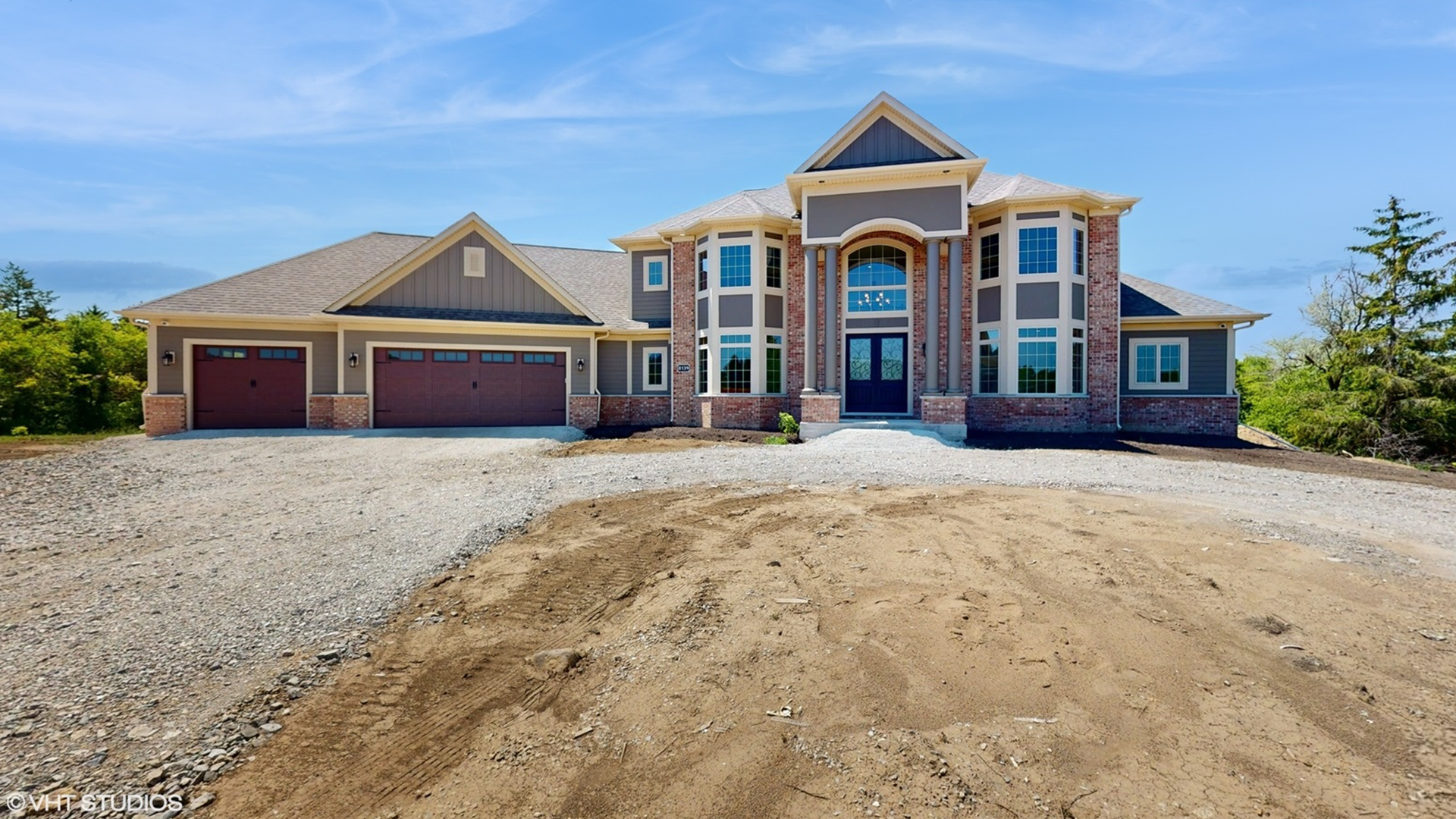
Quick Answer: Where You Can Build in Kenosha County
Kenosha County offers a wide mix of places to build, from city neighborhoods to quiet rural acreage. You will find subdivision lots with utilities in the City of Kenosha and Pleasant Prairie, infill lots in older neighborhoods, and larger parcels with room to spread out in towns like Bristol, Salem Lakes, and Wheatland. Lake areas around Twin Lakes, Powers Lake, and Paddock Lake have options too, though shoreland rules add extra steps. With the right partner, you can match your lifestyle and budget to the right area and lot type.
Joseph Scott Homes is a trusted local builder that guides clients through every step. We are based in Mount Pleasant and have more than 40 years of experience across Racine, Kenosha, Milwaukee, Waukesha, and Walworth Counties. Our team helps you evaluate lots, understand zoning, and design a home that fits your vision and Wisconsin’s climate.
Understand Zoning and Permits Before You Buy
County and Municipal Zoning Basics
Kenosha County uses zoning districts to guide what can be built and where. Each city, village, and town has its own zoning code and permit process, and the county also regulates shoreland and floodplain areas. Your first step is to confirm the zoning district of the property you like. Zoning affects minimum lot size, the type of home allowed, and how small or large your home can be. When in doubt, talk with planning staff at the city or village, or ask Joseph Scott Homes to review the parcel and provide guidance.
Setbacks, Height, and Lot Coverage
Zoning rules include setbacks from property lines, maximum building height, and lot coverage limits. For example, a suburban lot might require a 25 foot front setback and 8 to 10 feet on the sides, while a rural lot could require more. Corner lots have special front yard rules. Mature trees, easements, and utility lines can also affect placement. A quick site plan review prevents surprises and helps you design a home that fits.
Utilities, Septic, and Wells
In the City of Kenosha, Pleasant Prairie, and parts of Somers, you will often connect to public water and sewer. Rural parcels in towns like Wheatland, Paris, and Randall may require a private well and a septic system. If you need a septic system, you will need a soil and perc test to confirm the type of system allowed. High water tables or clay soils can require a mound system and change your grading plan. Joseph Scott Homes coordinates soil testing and works with trusted septic and well contractors so you can budget with confidence.
Shoreland, Wetlands, and Floodplains
Lots near lakes, rivers, and streams can fall under shoreland rules. Wetlands and floodplains add extra layers of review and restrict where you can build. A preliminary check of the Wisconsin wetland inventory, FEMA flood maps, and the county GIS saves time. Shoreland rules also affect accessory buildings, decks, and tree removal. Our team helps you create a buildable layout that protects the shoreline and meets code.
Permitting Timeline and Fees
Plan for building permits, impact fees, water or sewer connection fees, and inspections. Cities and villages often collect impact fees to support parks, roads, or schools. Rural towns may have lower fees but require separate county approvals for erosion control or shoreland zoning. A realistic timeline usually includes two to eight weeks for permits after your plans are complete. Joseph Scott Homes manages submittals and coordinates with the municipality so the process moves smoothly.
Popular Areas to Build in Kenosha County
City of Kenosha
Build in established neighborhoods with sidewalks, nearby schools, and short commutes to Downtown Kenosha and the lakefront. Infill lots and tear down opportunities let you enjoy city utilities and services. This is a good fit if you want a walkable setting and lower yard maintenance. Expect design standards on some streets and plan for impact fees and utility connection costs.
Village of Pleasant Prairie
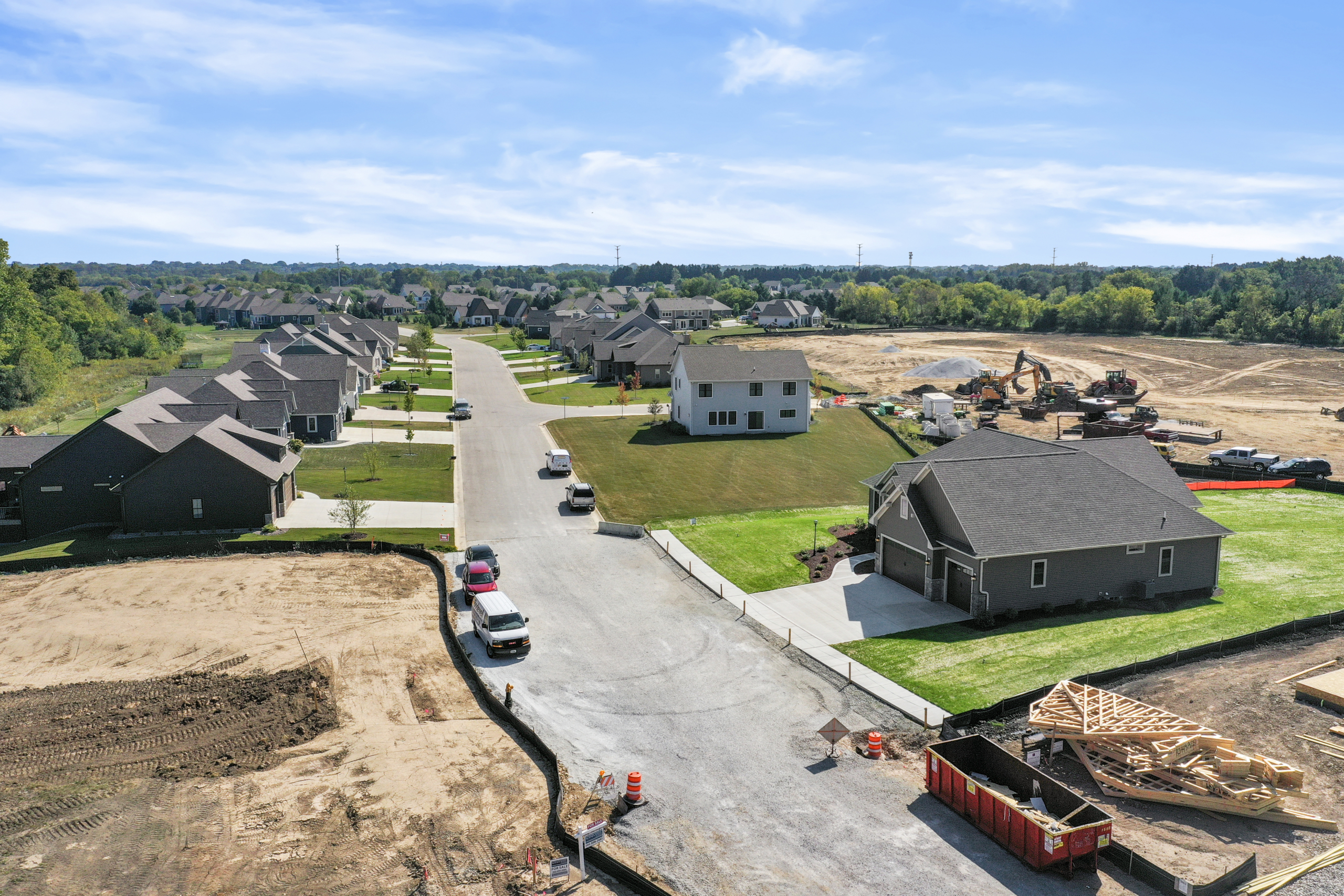
Pleasant Prairie offers newer subdivisions, proximity to RecPlex, and easy access to I 94 and employment centers between Milwaukee and Chicago. You will find platted lots with curb, gutter, and municipal services. Many neighborhoods have architectural guidelines that support curb appeal. Families appreciate nearby parks and the community feel.
Somers and Bristol
These growing areas balance open space with modern conveniences. Near Somers, you will find options close to UW Parkside and the Green Bay Road corridor. Bristol has both subdivisions and rural acreage with room for larger garages or hobby outbuildings where allowed. Commuters like the quick access to I 94 and Highway 50.
Salem Lakes, Twin Lakes, and Randall
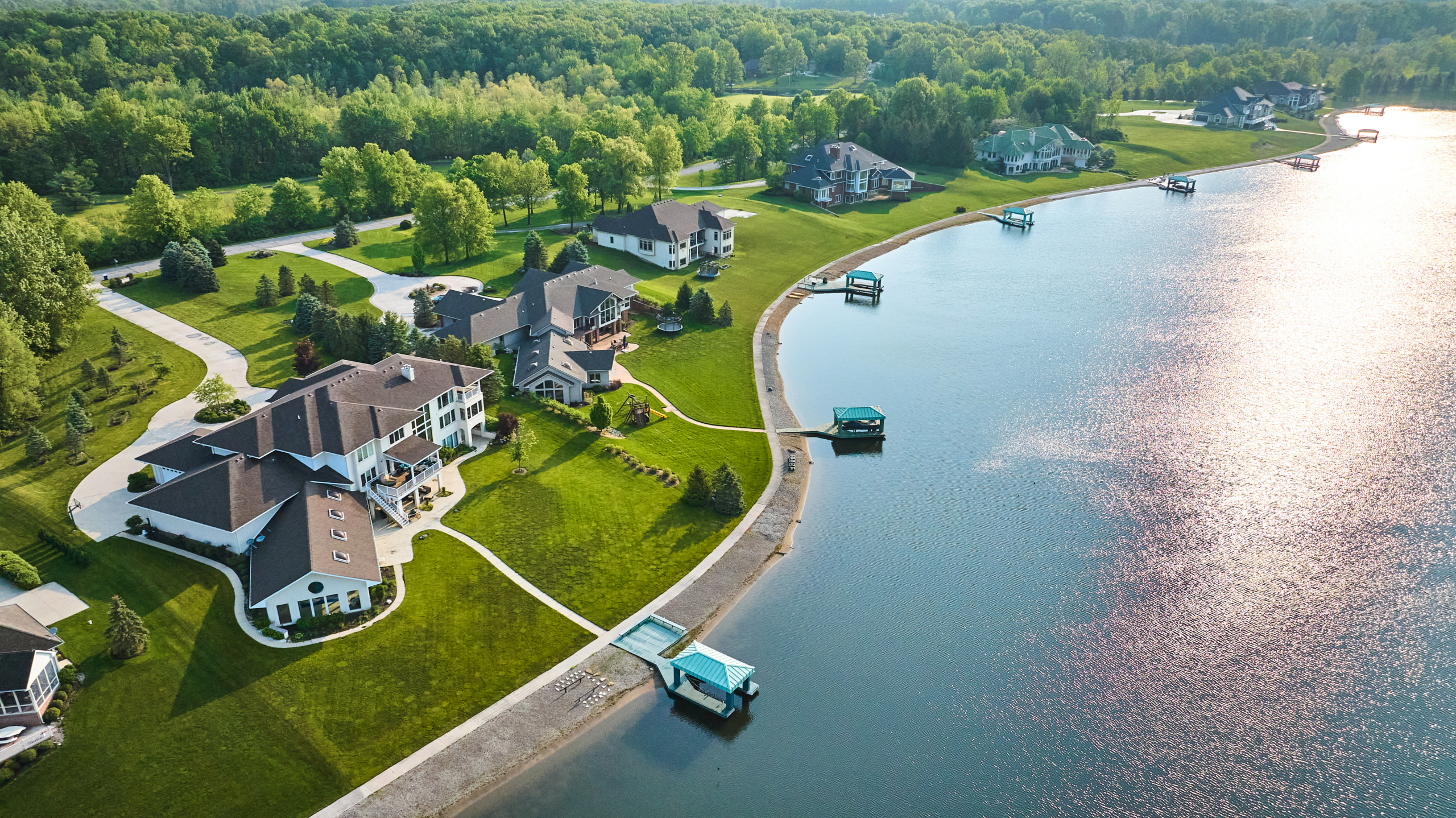
This lake country area features Paddock Lake, Center Lake, Camp Lake, Twin Lakes, and Powers Lake. You can choose from neighborhood lots near the water or larger tracts with privacy. Shoreland zoning is common, and older plats may have smaller lot sizes. This is a great area for year round living with a vacation vibe.
Wheatland, Paris, and Brighton
For a true rural setting, these towns offer larger parcels and country roads. You will likely need a well and septic and may have agricultural neighbors. If you want a workshop, gardening space, or long views, this could be your best match. Confirm driveway access rules on county or state highways before you buy.
Paddock Lake and Silver Lake Areas
These communities blend small town charm with outdoor recreation. Many lots are within minutes of swimming, boating, and fishing. Some neighborhoods have compact lots with older cottages that can be rebuilt. Check setbacks and impervious surface limits if you plan a larger footprint near the shoreline.
Lot Options That Fit Your Lifestyle and Budget
- Subdivision lots: Typically ready to build with utilities. Often have HOA rules that protect neighborhood appeal.
- Infill city lots: Great for shorter commutes and walkable lifestyles. Do a careful survey to check setbacks and easements.
- Rural acreage: More privacy and space. Plan for well, septic, and longer driveways.
- Lake area lots: Scenic and fun. Expect shoreland rules, possible bluff or slope, and stricter runoff controls.
- Flag or panhandle lots: Tucked behind street frontage for privacy. Confirm driveway width and fire access rules.
- Tear down opportunities: Replace an older structure with an efficient new home. Utilities are often already present.
- Corner or cul de sac lots: Unique shapes that can inspire creative home designs. Review sight lines and setback nuances.
Smart Due Diligence: How to Evaluate a Lot
- Confirm zoning and use: Verify that a single family home is allowed and note any special overlays.
- Check setbacks and buildable area: Request a survey or review GIS data for lot lines and easements.
- Test soils: Schedule a soil and perc test if septic is needed. Ask about the water table for basement planning.
- Review utilities: Locate water, sewer, gas, electric, and fiber. Get connection estimates for budgeting.
- Assess topography and drainage: Look for slopes, low spots, and mature trees. Plan grading that protects neighbors.
- Research shoreland, wetlands, and floodplains: Avoid surprises with a quick map review and, if needed, a wetland delineation.
- Estimate total costs: Add land price, site work, utilities, impact fees, permits, and construction.
- Plan your driveway: If the lot fronts a county or state road, confirm driveway permits and culvert requirements.
- Understand HOA rules: Review covenants on materials, fences, sheds, and parking.
- Talk timing: Ask about the municipality’s permit review speed and inspections.
Joseph Scott Homes provides lot locating and analysis to help you answer these questions early. We partner with top local surveyors, engineers, and real estate pros to uncover details that affect design, cost, and schedule.
Design and Build Considerations in Southeastern Wisconsin
Basements, Soil, and Water Table
Most new homes in this region include a full basement. Soil conditions and the water table affect excavation depth, drain tile, and sump pump needs. In some areas, a lookout or walkout basement is a great way to gain natural light. Our team reviews site grades and designs foundation systems that perform in four seasons.
Energy Efficiency and Wisconsin Codes
Wisconsin’s Uniform Dwelling Code sets the baseline for structure, insulation, ventilation, and safety. Joseph Scott Homes goes beyond the basics with energy smart framing, high performance windows, air sealing, and efficient HVAC. We use sustainable materials when possible and help clients pursue Focus on Energy incentives. This lowers utility bills and creates a comfortable home year round.
HOAs and Architectural Rules
Newer subdivisions often require approval from an architectural review committee. Rules may cover exterior materials, roof pitch, siding colors, garages, and landscaping. We work within HOA standards while giving you a custom look. If you prefer full design freedom, a rural or non HOA lot may fit better.
Seasonal Construction Timing
Construction runs year round, though winter schedules can shift. Excavation and foundation work require careful planning in cold snaps. Spring is busy for permits and starts, and late summer is popular for framing. With a complete plan set and early material selections, Joseph Scott Homes keeps your timeline on track in any season.
How Joseph Scott Homes Helps You Build With Confidence
Joseph Scott Homes is a custom home builder with more than 40 years of experience. Founded by James Joseph Fuchs and Michael Scott Lawrence, our company blends craftsmanship with modern building science. Based in Mount Pleasant, we serve Racine, Kenosha, Milwaukee, Waukesha, and Walworth Counties. Our homes are durable, energy efficient, and tailored to each family.
We offer a full service approach. That includes lot locating, site evaluation, custom design, and top tier construction. We also manage permits and coordinate with reliable local vendors and subcontractors, which ensures consistent quality. From the first conversation to the final walk through, you can expect open communication, clear costs, and a build process that respects your time and budget.
If you are comparing new home builders Kenosha WI, consider the value of a partner who stays involved from start to finish. Our founders are hands on in every project. We listen first, design with purpose, and deliver a home that lives well for decades.
Choosing Among New Home Builders Kenosha WI
Selecting the right builder sets the tone for your entire project. Use these tips to compare your options in Kenosha County and nearby communities.
- Ask about lot expertise: Can the builder help you find and analyze land, not just build on it?
- Review recent work: Tour finished homes or speak with past clients about quality and service.
- Check energy details: Look for specifics about insulation, air sealing, and HVAC design.
- Request transparent pricing: A detailed scope with allowances helps prevent surprises.
- Gauge communication: You want a builder who answers questions and provides regular updates.
- Confirm timelines: Ask for realistic schedules from design to move in.
- Evaluate warranty and support: A strong warranty and responsive service matter long term.
Joseph Scott Homes welcomes detailed questions. We provide clear proposals, thoughtful design guidance, and a construction plan that aligns with your goals. Our clients often tell us they felt informed and supported from start to finish.
Frequently Asked Questions
What are typical lot sizes in Kenosha County?
Subdivision lots often range from about a quarter acre to a half acre, depending on the neighborhood. Rural parcels can run from 1 to 10 acres or more. Shoreland lots may be smaller and have tighter setbacks. Always confirm the buildable area with a survey and zoning review.
How long does it take to build a custom home?
From first consultation to move in, many projects take 10 to 16 months. The timeline includes design, permits, site work, and construction. Weather, material lead times, and design complexity can change the schedule. With advanced planning and steady communication, we keep the process efficient.
What impact fees should I expect?
Impact fees vary by municipality and support public services. You may see fees for parks, schools, and road improvements. Water and sewer connection fees can also apply in areas with municipal utilities. We include these line items in our early budgets to avoid surprises.
Can I build on a lot with a high water table?
Yes, but you will need smart design. Foundation drainage, sump pumps, appropriate waterproofing, and sometimes a raised foundation can help. A soil test and site grade review guide the best approach. Our team designs foundations that handle local soil and water conditions.
Is a tear down and rebuild a good idea?
If you love the location but want a modern, efficient home, a tear down can be ideal. You may be able to reuse existing utility connections. Check zoning for setbacks, height, and lot coverage to confirm your new plan will fit.
What financing is common for new builds?
Many clients use a construction to permanent loan. This type of loan converts to a standard mortgage after the home is complete. Some buyers pay cash for the land and finance the build. We are happy to work with your lender and provide the documents they need.
Commuting, Schools, and Lifestyle Considerations
Location matters for daily life. If you commute, look for quick access to I 94, Highway 50, or Highway 31. The City of Kenosha and Pleasant Prairie offer short drives to major employers and Metra access in nearby Illinois. Lake communities like Twin Lakes provide a quieter pace while still staying within reach of shopping and healthcare.
Schools also play a role. Kenosha Unified serves the City of Kenosha and nearby areas. Wilmot Union and Westosha Central serve western parts of the county, with several strong feeder schools such as Bristol and Trevor Wilmot. If schools matter for your family or resale, factor district boundaries into your lot search.
Your Next Step With Joseph Scott Homes
Building a home is a major decision, and the right team makes it a rewarding one. Joseph Scott Homes combines custom design, proven craftsmanship, and energy smart building to create homes that last. We know Kenosha County zoning, neighborhoods, and land options. Our full service process includes site selection help, clear budgets, and a dedicated project manager.
If you are searching for new home builders Kenosha WI, start with a conversation. Tell us how you live, where you want to be, and what you value most. We will show you lot options, outline a realistic timeline, and design a home that fits your life and budget. With trusted vendors and attentive service from consultation to completion, you can move forward with confidence and enjoy a home built around you.
Reach out to Joseph Scott Homes to begin your Kenosha County build today. We are ready to help you find the right lot, navigate zoning, and bring your vision to life with quality, efficiency, and care.